Logo

Welcome to The Florence Royal Suite Collection

Your Luxury Cozy Nest In The Very Heart Of Renaissance

The Florence Royal Suite

Bistecca alla Fiorentina, or … Beef-steak?

The Bistecca alla Fiorentina is not merely a meal; it is a sacred culinary institution, a symbol of Tuscan identity, and a masterclass in the art of simplicity. To understand this iconic T-bone steak is to understand the soul of Florence, a city where history, agriculture, and high art converge at the dinner table.

Where does the word “Bistecca” come from? The word "Bistecca" is a linguistic fossil of Florence’s history as a global trading hub. According to popular legend, the name was born during the Feast of San Lorenzo (August 10th) during the Renaissance. To celebrate the feast, the powerful Medici family would light massive bonfires throughout the city and distribute roasted quarters of oxen to the citizenry.


Among the revellers were often British travellers and merchants. Enthralled by the grilled meat, they reportedly shouted for more "beefsteak!". The Florentines, charmed by the sound of the word, phoneticized it into bistecca, and a legend was born.

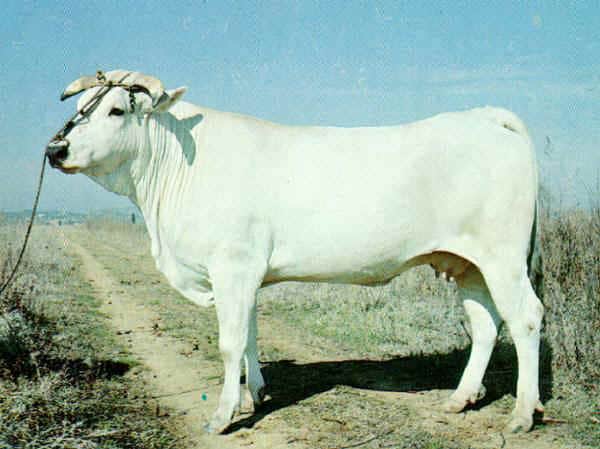
What kind of meat should be used to make a proper “Fiorentina” ? All begins with the Chianina, one of the world's oldest and largest cattle breeds. Native to the Valdichiana valley in Tuscany, these majestic white oxen were once used as draft animals for ploughing the region's hilly terrain. Their meat is prized for being lean, flavourful, and incredibly tender.

There are the three main characteristics of a proper Fiorentina:

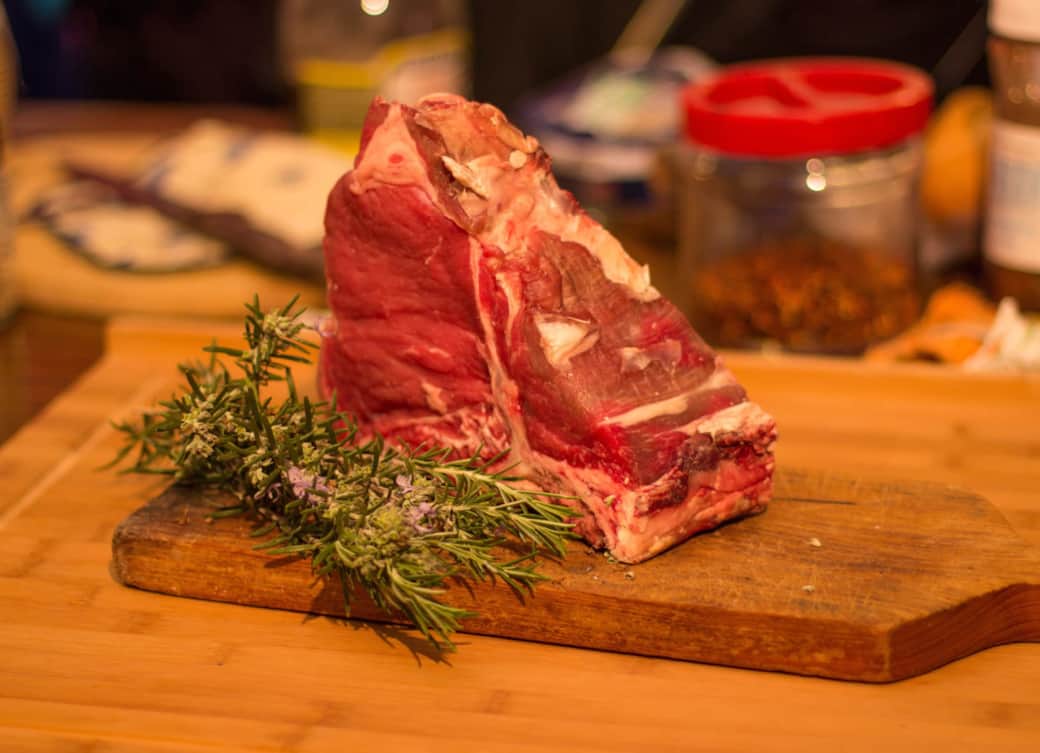
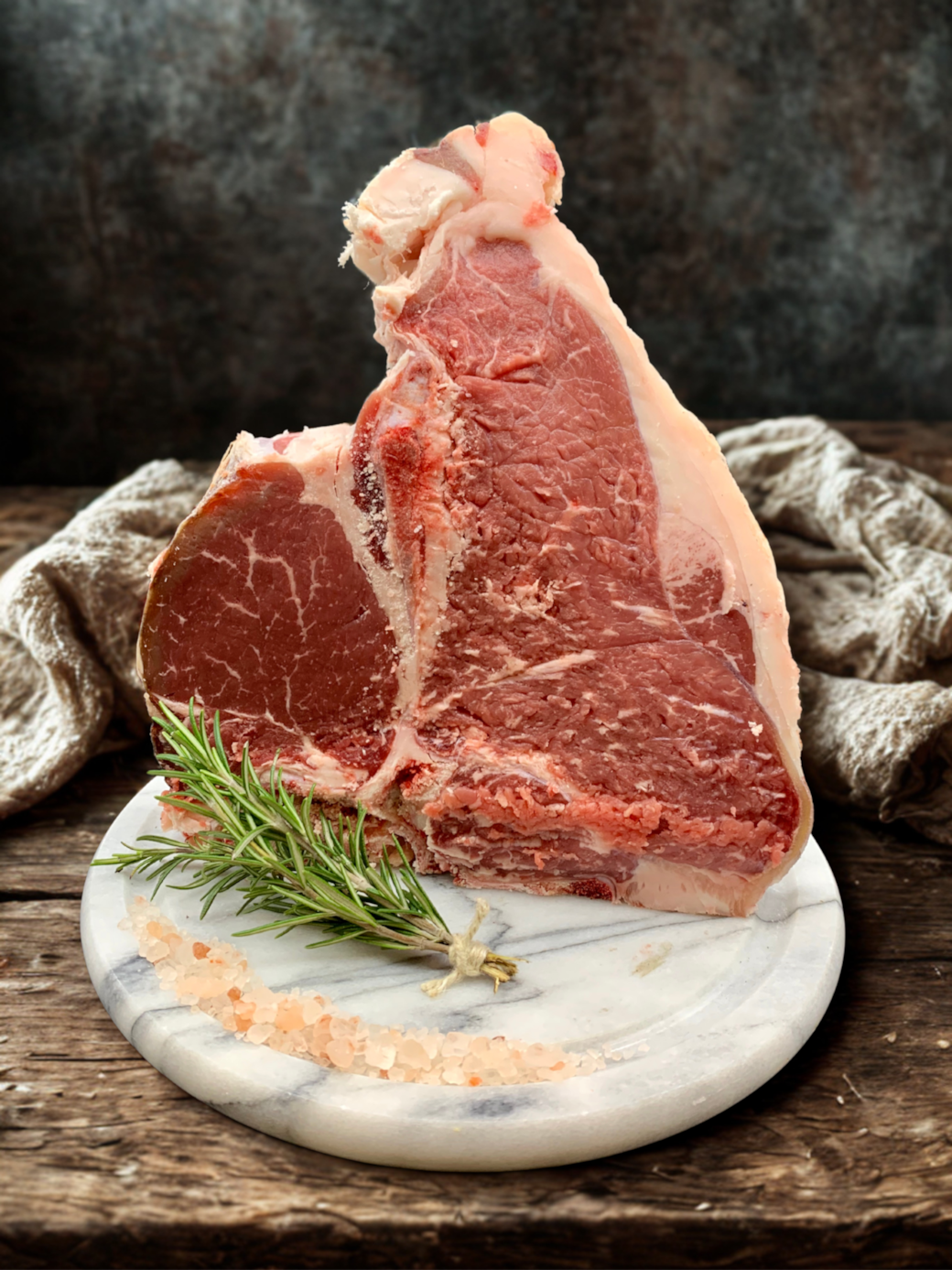
The Cut: The steak is taken from the loin (lombata) of a young steer (vitellone) or heifer (scottona). It must feature the classic T-shaped bone, separating the tender fillet from the robust sirloin. IMPORTANT: a proper Fiorentina must have the sirloin AND the fillet. A steak without the fillet is called a “Costata” and is NOT a Fiorentina. Don’t get fooled

The Dimensions: Precision is non-negotiable. A true Fiorentina must be "three to four fingers" thick (approximately 5–6 cm) and weigh between 1.2 kg and 1.5 kg. In Florence, a thinner steak is mockingly referred to as "carpaccio".

Dry-Aging: The meat undergoes a maturation process (frollatura) for at least 15 to 30 days. This breaks down connective tissue and concentrates the flavour, ensuring a buttery texture

Cooking a Bistecca is a performance of fire and steel. There are several strict rules that every Trattoria must follow:

Room Temperature: The steak must be removed from the refrigerator at least 3 to 4 hours before cooking. Placing a cold steak on the grill would seize the fibres and prevent the heat from reaching the centre.

The preparation: very easy: there is no preparation at all needed before cooking the Fiorentina. No seasoning, no oil, absolutely no salt, or the meat will become harder to chew. As a general rule, adding salt to meat before or during the cooking will harden it and takes out the natural flavours from the inside. And that’s never a good idea, because you want to taste the flavour while you eat it and not disperse it while being cooked.

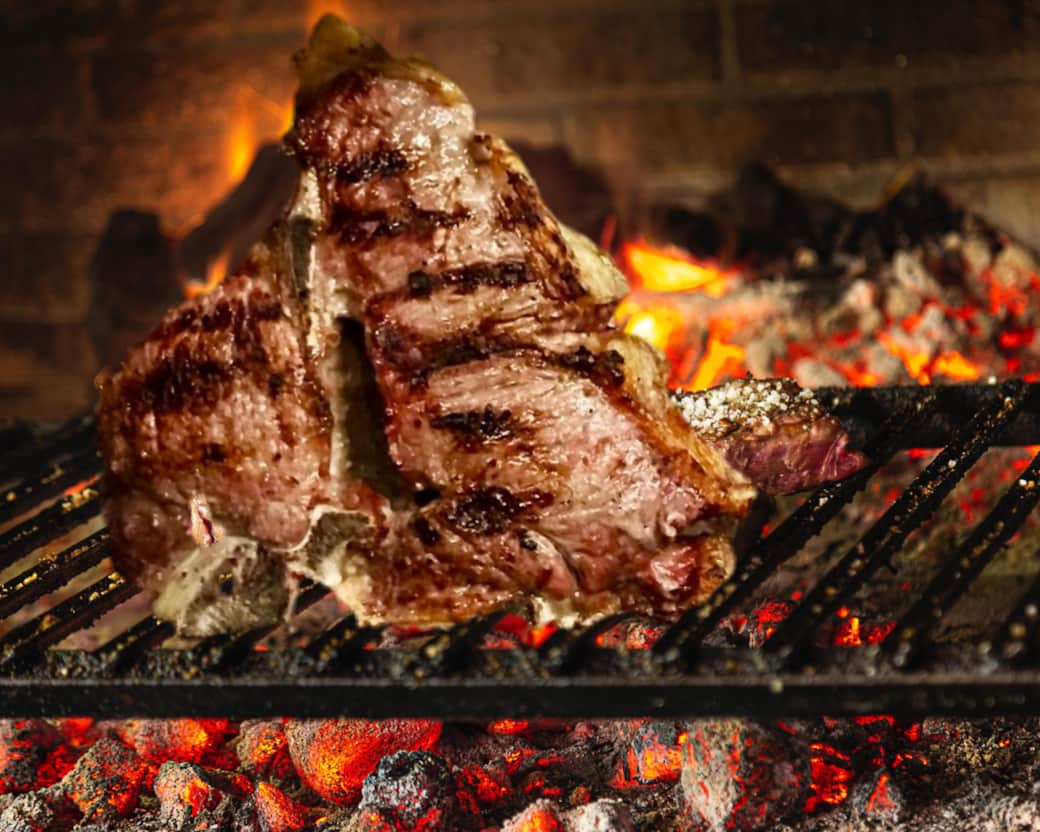
The Embers: Gas or electric grills are strictly forbidden. The heat must come from oak or olive wood charcoal, which imparts a subtle smokiness.

The Maillard Reaction: The steak is placed extremely close to the white-hot coals to create a deeply caramelized crust quickly so that all the juices remain inside the meat. It is turned only once and never pierced with a fork, as the loss of internal juices is considered a tragedy.

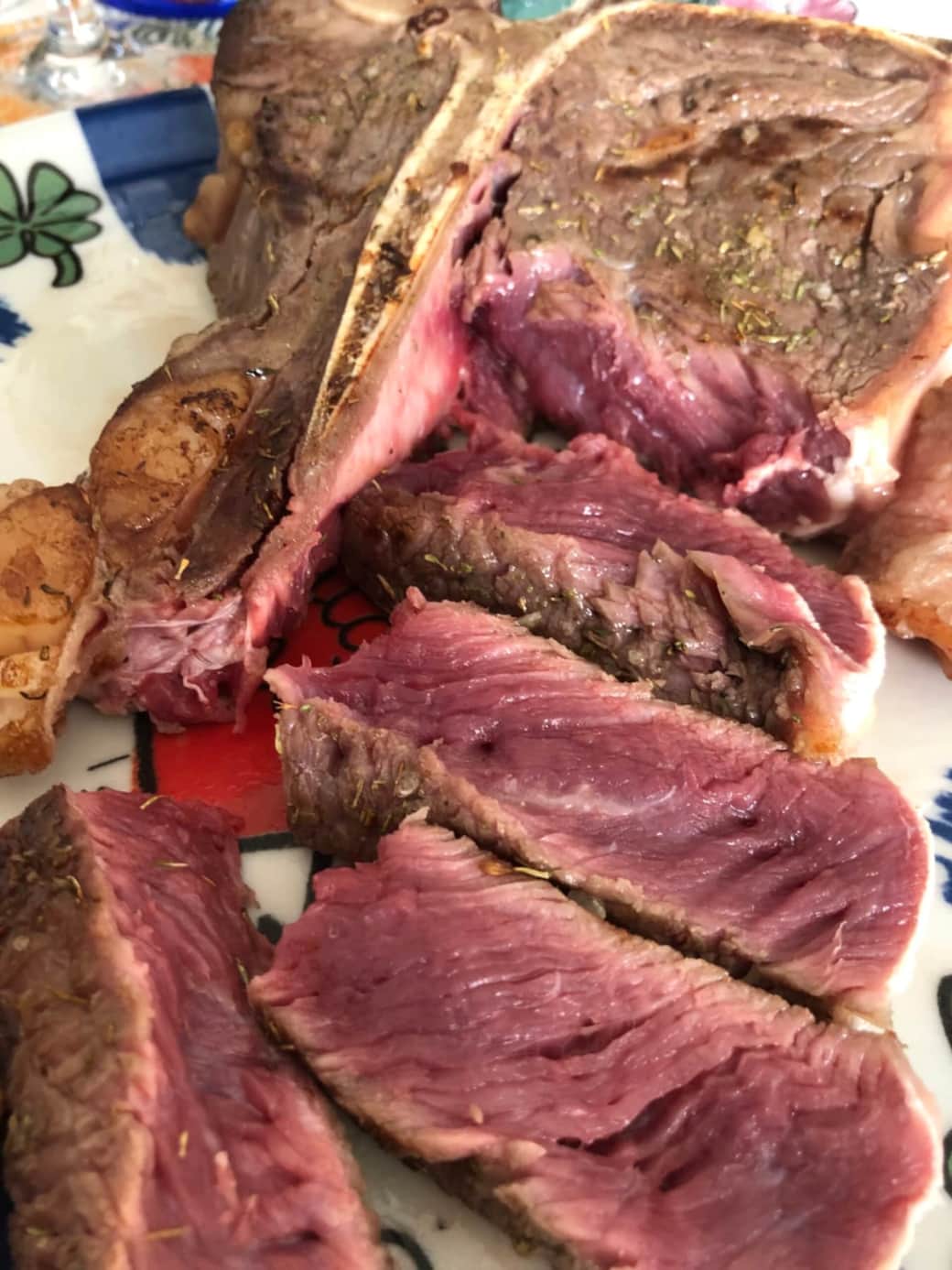
The "Standing" Position: A Fiorentina can only be cooked “al sangue”, which can be translated with “blue” or “rare”, period. Please do not dare to ask to have it cooked otherwise or you will get kicked out of the restaurant ! (ah ah - just kidding ...). After searing both sides for 5 minutes, the steak is stood upright on its wide bone for another 5 minutes. This allows the heat to travel up the bone to the core without overcooking the delicate flesh.


Serving: It is typically served on a warm wooden board or platter, seasoned only with coarse salt, a crack of black pepper, and a generous drizzle of Tuscan extra-virgin olive oil (EVO).

Sides: Traditional side dishes include cannellini beans (“all’olio”, cooked very simply, just steamed and seasoned with EVO and freshly grinded pepper or “all'uccelletto” with a light tomato souce or), roasted potatoes, or a simple arugula (rucola) salad.

Pairing: To get the most out of the Fiorentina taste, the only type of wine you shall drink while tasting it must be a red, still, aged wine. 

No rosé, nor white, nor sparkling. In the provinces of Firenze, Prato and Siena there is plenty of excellent red wines, mostly made with the autochthon grapes of “Sangiovese” which often makes at least 80% of the wine components.

Chianti - declined in the many DOCG (Denominazione di Origine Controllata e Garantita, a legal warranty of very rigid disciplinary rules to make the proper wine) subzones like “Colli Fiorentini”, “Colli Senesi”, “Classico,”, Rufina” etc, with the added classification of “Riserva” when more aged in specific small oak barrels;

Carmignano, Rosso di Montalcino or the most valuable Brunello di Montalcino, to the Vino Nobile di Montepulciano and many others. All these wines are made with majority of Sangiovese grapes.

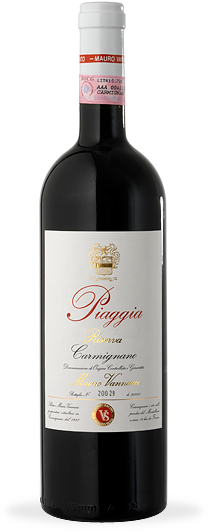
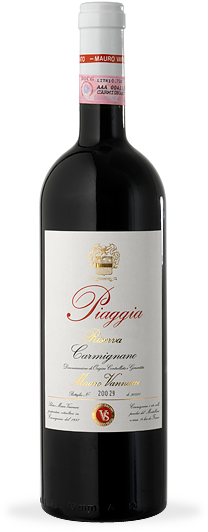
Suggestion: take a look to the alcohol percentage: choose 14% -15% to have a proper coupling. A bold, medium to well-aged red wine is essential. A Chianti Classico Riserva or a Carmignano Riserva or a Brunello di Montalcino provides the necessary tannins to cut through the richness of the beef.

©2026 The Florence Royal Suite All rights reserved - Powered byLodgify