Logo

Welcome to The Florence Royal Suite Collection

Your Luxury Cozy Nest In The Very Heart Of Renaissance

The Florence Royal Suite

Blood, Banking, and Botticelli: The Dynasty That Made Florence Great

Let’s be completely honest. If you walk through the streets of Florence today, you aren’t just looking at old stones, beautiful churches, and impressive statues.

You are walking through the living room of a single family.

For nearly three centuries, one name dictated what Florence ate, what it wore, who it went to war with, and which artists got filthy rich. The Medici. They weren't born kings. They didn't have royal blood. In the beginning, they were just a bunch of ruthless, incredibly smart country boys who knew how to count money better than anyone else. But through a mix of financial genius, political assassination, strategic marriages, and an obsession with art, they transformed a chaotic, muddy medieval city into the cultural capital of the Western world.

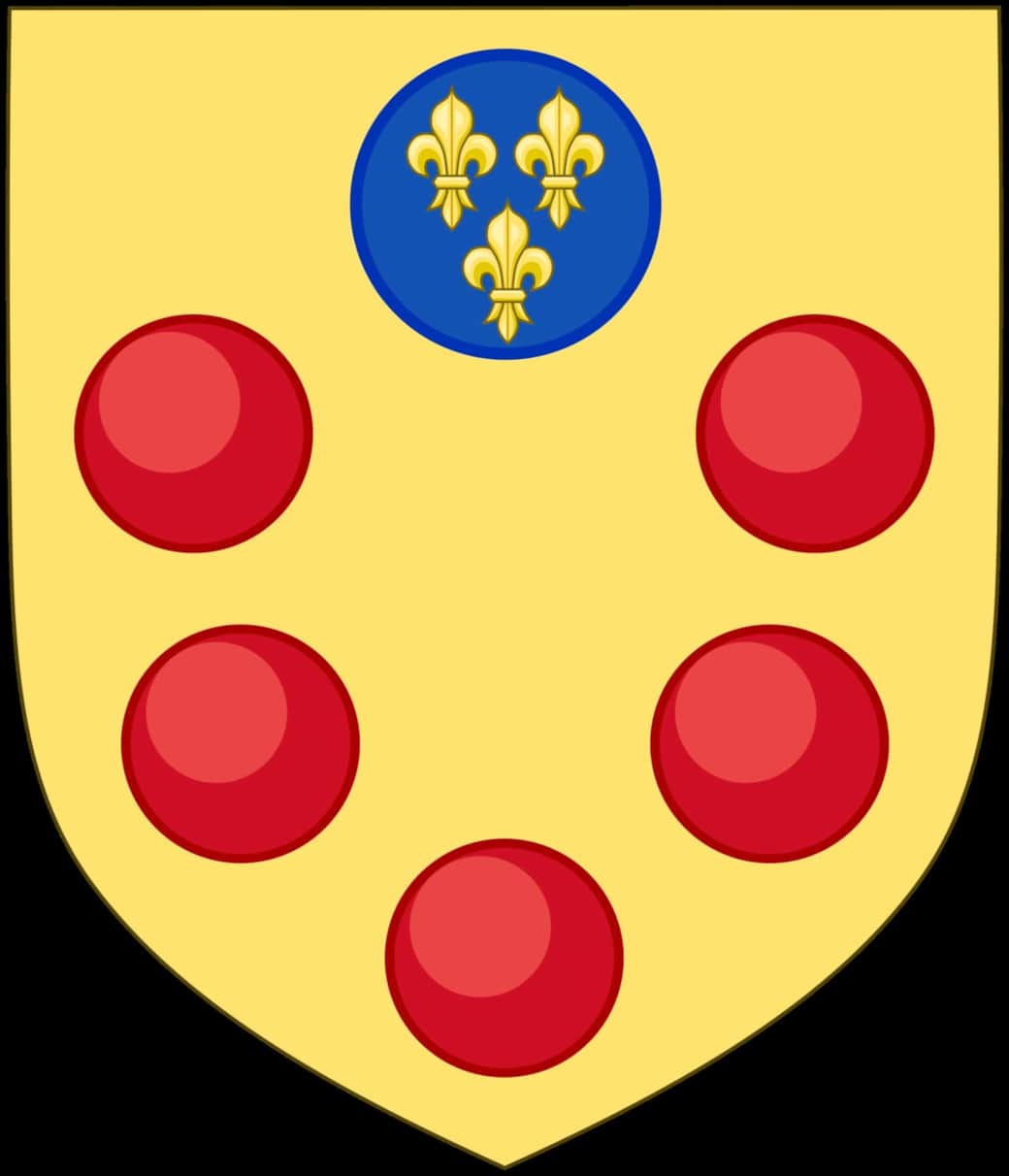
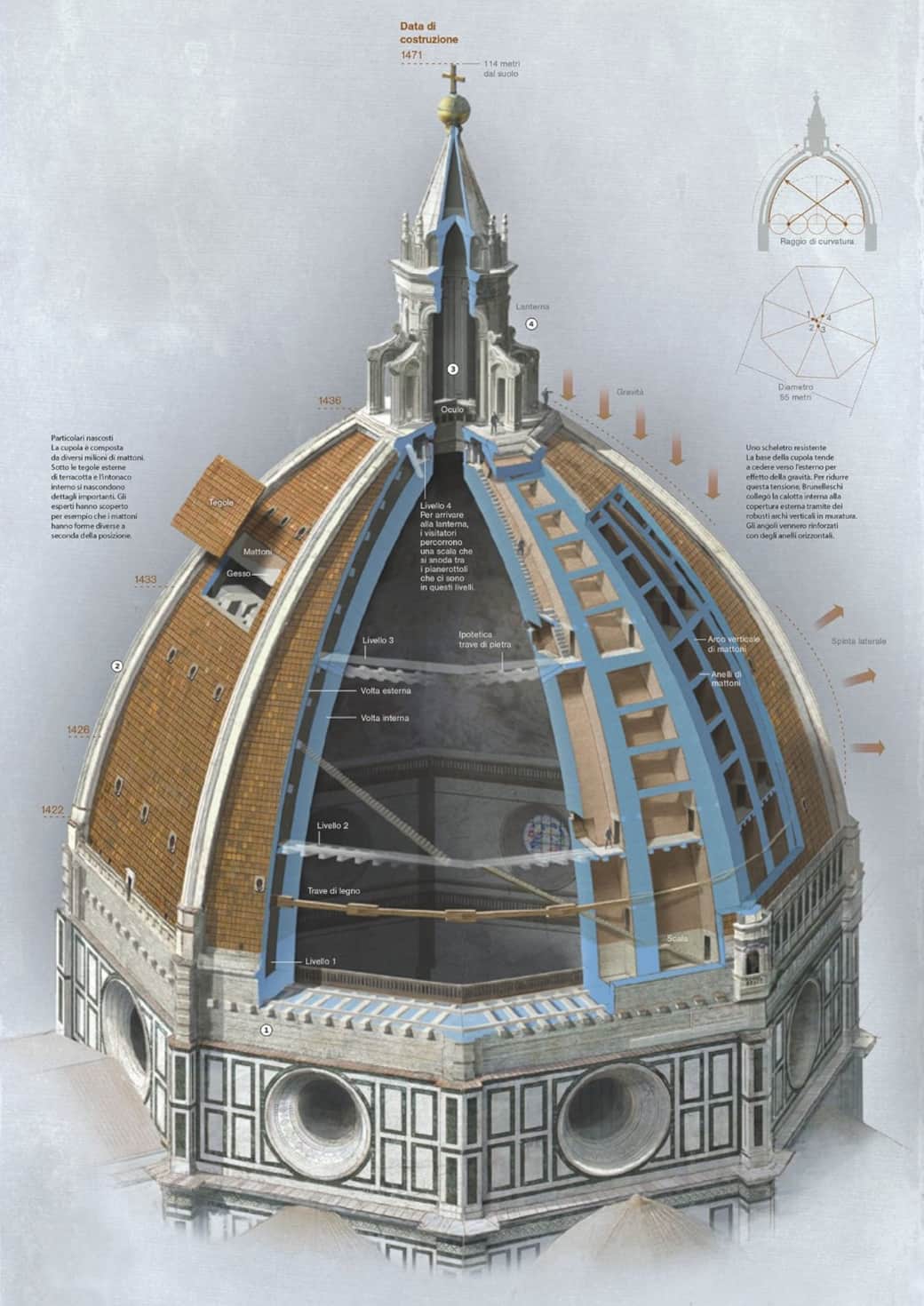
Without the Medici, there is no Renaissance. Period. Michelangelo would have been a nameless stonecutter. Donatello would have just been a guy messing around with bronze. And Brunelleschi’s dome? It probably wouldn’t exist.

If you want to understand Florence, you have to understand the family that built it. Forget the boring textbook dates. Let’s look at the real, scandalous, magnificent history of the dynasty that shaped the world.

From Petty Usury to the Pope’s Bankers

To understand power, you have to follow the money. In the 14th century, Florence was a republic, but it was ruled by a tight circle of elite, snobbish noble families. The Medici were outsiders.

Enter Giovanni di Bicci de' Medici. He is the quiet ghost behind the entire empire.

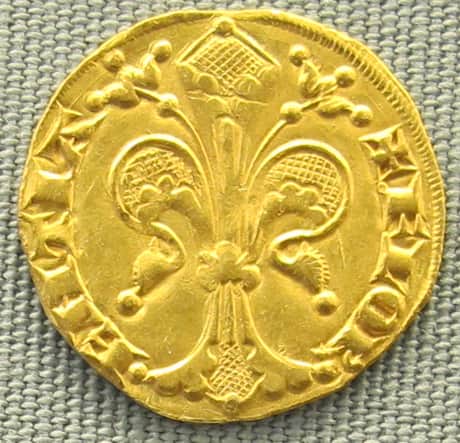
Giovanni didn't care about titles. He cared about ledger books. He established the Medici Bank (Banco dei Medici) in 1397 and did something brilliant: he backed the right horse. He loaned a massive amount of money to a man named Baldassarre Cossa, a former pirate who was trying to become Pope.


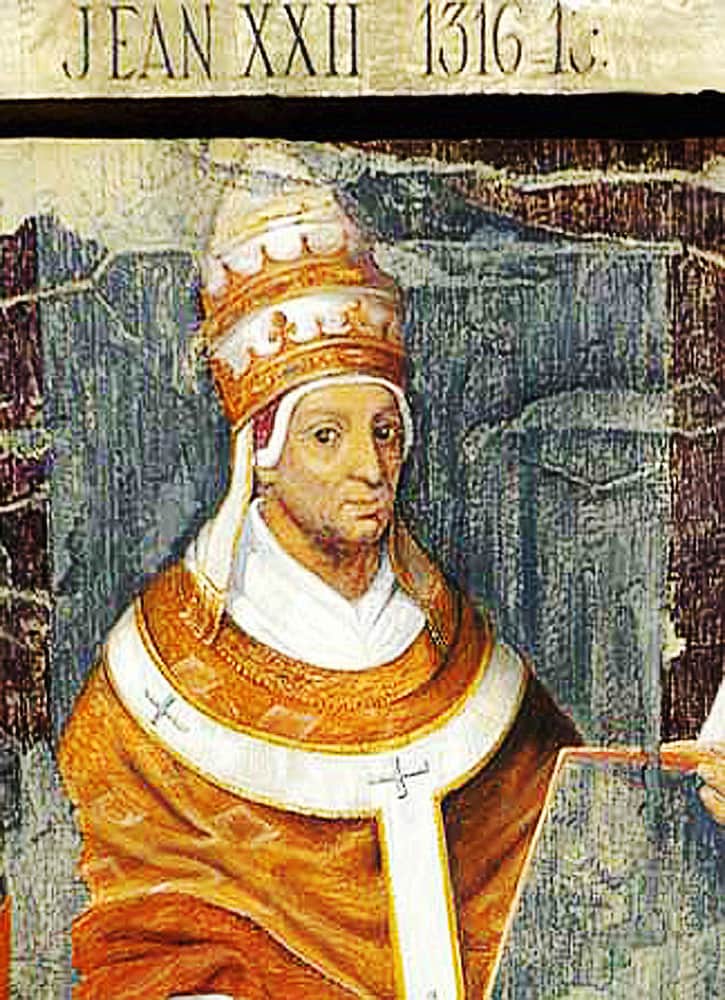
Cossa won. He became Pope John XXIII, and as a thank you, he gave the Medici Bank the exclusive right to manage the entire financial wealth of the Vatican.

Suddenly, every priest, bishop, and king in Europe had to pay fees to the Medici to move their money. The Medici didn't just become rich; they became indispensable. They invented modern banking tricks, like the double-entry bookkeeping system and holding branches in London, Geneva, and Bruges. They were the shadow masters of European finance.

Cosimo the Elder: The Invisible Dictator

When Giovanni died, he gave his son, Cosimo, some very specific advice: Stay out of the public eye. Cosimo obeyed. He became the master of the "stealth dictatorship." He never held a grand political title, he didn't ride a golden horse through the streets, and he dressed in simple robes. Yet, nothing happened in Florence without his permission.

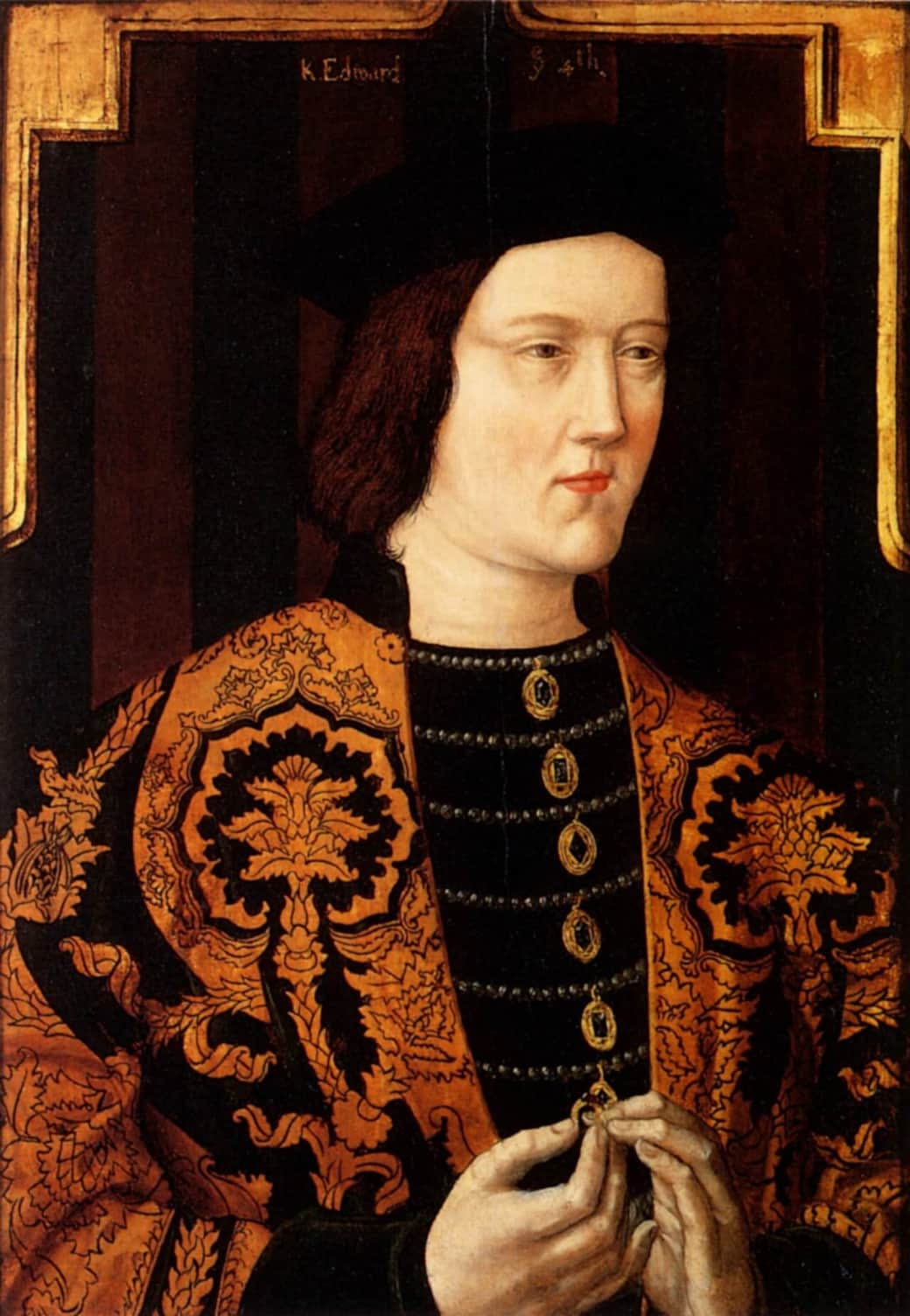
Over time, the Medici family wealth grew enormously, and they became financiers of Edward IV King of England (brother of Richard III) in the campaign that led him to win the War of the Roses and of Francesco Sforza for the conquest of the Duchy of Milan.

This made the old noble families furious. In 1433, the rival Albizzi family managed to arrest Cosimo and lock him in the tower of the Palazzo Vecchio. They wanted him executed. How did Cosimo survive? He used his best weapon: money. He literally bribed the guards and the political leaders with gold coins hidden in blocks of butter.

Instead of being beheaded, he was exiled. Big mistake.

Within a year, the Florentine economy collapsed without Medici money. The people begged him to come back. Cosimo returned in triumph, kicked his enemies out, and spent the rest of his life funding the craziest architectural projects the world had ever seen.

He financed Filippo Brunelleschi to build the impossible dome of the Duomo. He paid Donatello to sculpt the provocative, bronze David. Cosimo realized something that became the family motto for generations: Power fades, but art is eternal.

Lorenzo il Magnifico: The Rock Star of the Renaissance.

If Cosimo was the brains, his grandson Lorenzo was the soul.

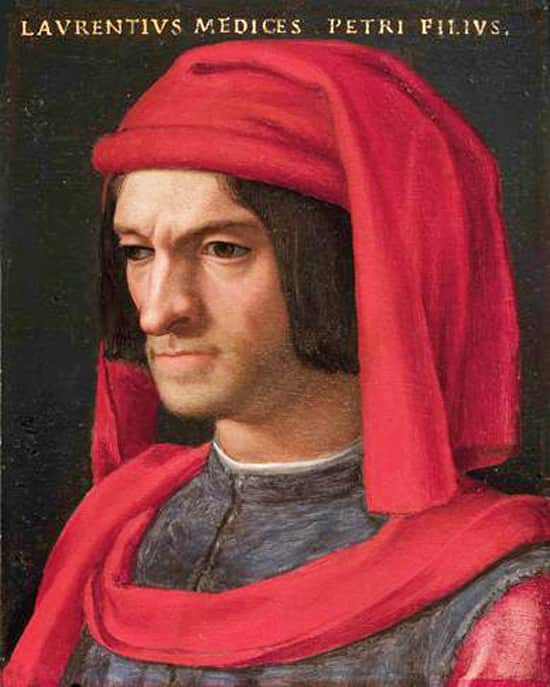
Known to history as Lorenzo il Magnifico (The Magnificent), he took over the city in 1469 at just twenty years old. Lorenzo wasn't a great banker—in fact, under his watch, the family bank started losing money fast. But he was a poet, a diplomat, a visionary, and a massive party animal. Under his rule, Florence became a non-stop carnival of festivals, tournaments, and philosophical debates.

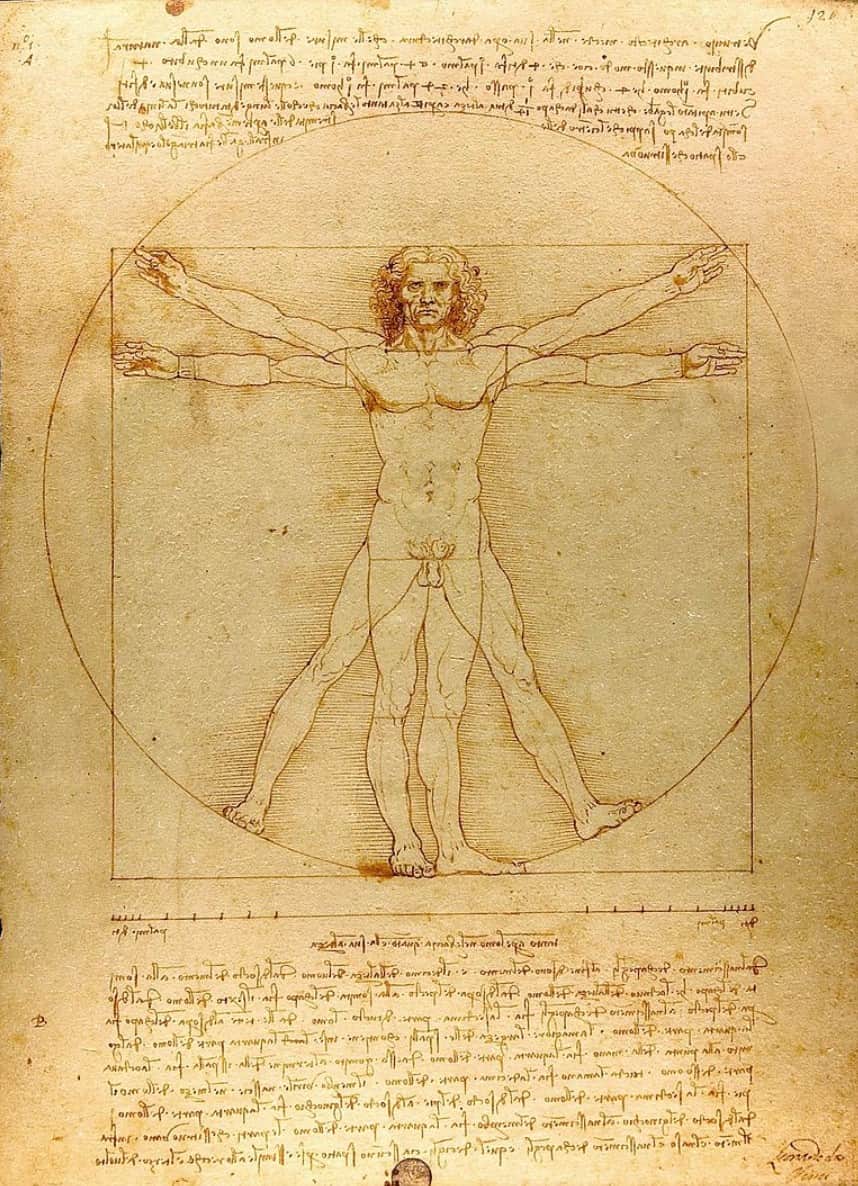
Lorenzo had a freakish eye for talent. He spotted a teenage boy named Michelangelo Buonarroti carving marble in a garden. Lorenzo didn't just give him a job; he moved Michelangelo into the Medici Palace, treated him like a son, and sat him at his dinner table alongside the greatest minds of the era. He did the same for a young Leonardo da Vinci and Sandro Botticelli.

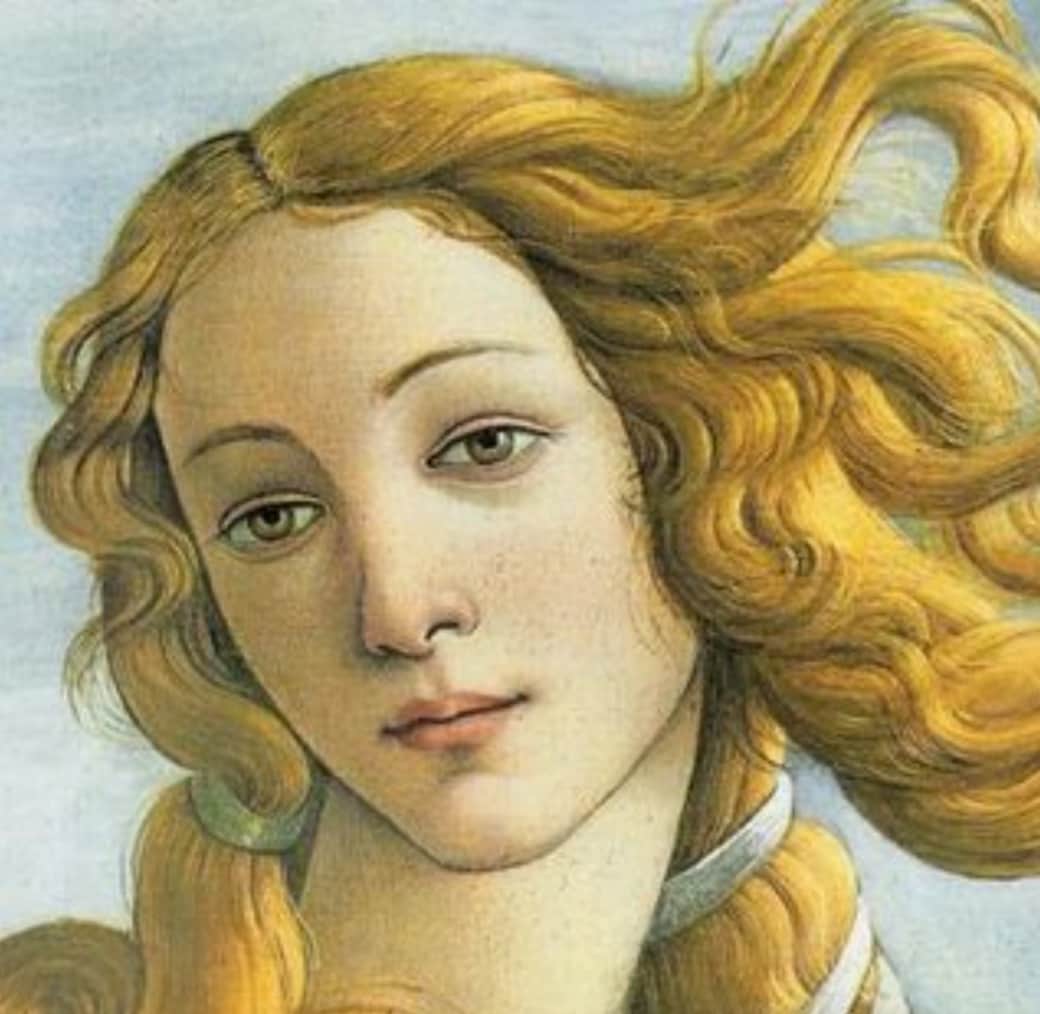
When you look at Botticelli’s The Birth of Venus or Primavera in the Uffizi Gallery today, you are looking at paintings commissioned directly by Lorenzo’s inner circle.

The Pazzi Conspiracy: Blood in the Cathedral

But being magnificent makes you enemies. The rival Pazzi family, backed by the Pope (who was furious at Lorenzo’s growing independence), decided to wipe out the Medici once and for all.

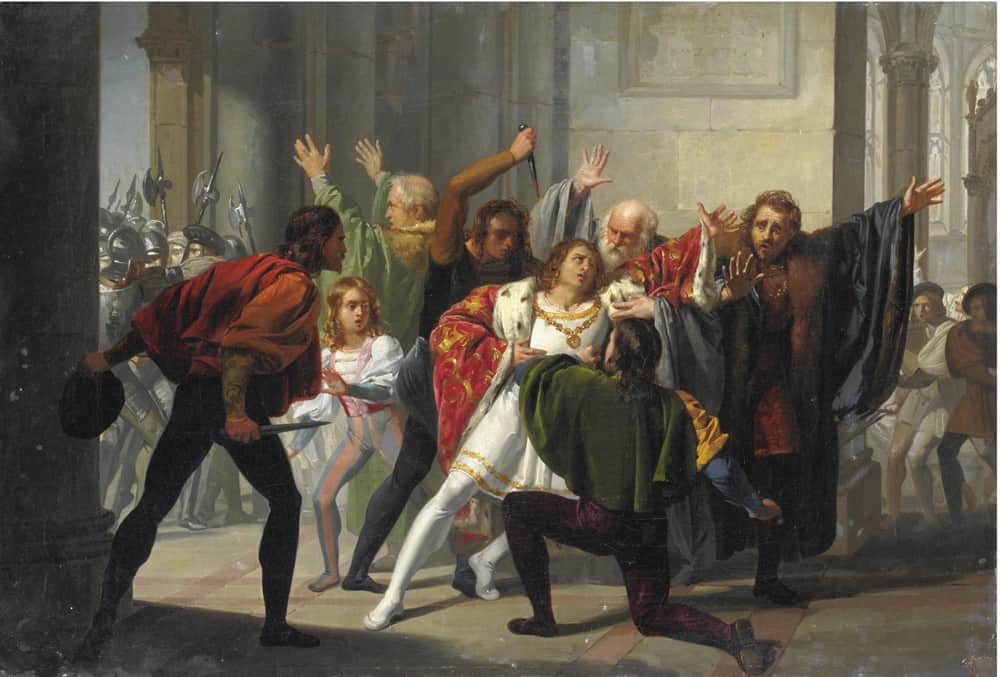
They chose the worst possible venue: High Mass at the Duomo on Easter Sunday, 1478.

As the priest raised the holy bread, assassins drew their daggers. They ambushed Lorenzo and his handsome younger brother, Giuliano. Giuliano was stabbed nineteen times and died on the cathedral floor in a pool of blood. Lorenzo, wounded in the neck, drew his sword, wrapped his cloak around his arm to ward off blows, and leaped over the altar, locking himself inside the secure sacristy.

The conspiracy failed spectacularly. The Florentine people loved Lorenzo. When news broke of the attack, an angry mob dragged the conspirators through the streets and hanged them from the windows of the Palazzo Vecchio. Lorenzo was now untouchable.

Queens, Popes, and the Final Collapse

Lorenzo died in 1492 (the same year Columbus sailed for America), and with him, the golden age of Florence ended.

But the Medici weren't done. They shifted their strategy from local politics to global domination. Over the next century, the family produced:

Two Queens of France: Catherine de' Medici (the infamous, brilliant, and terrifying matriarch) and Marie de' Medici.

Three Popes: Leo X (who famously sold indulgences and clashed with Martin Luther), Clement VII (who had to deal with the Sack of Rome), and Pius IV.

Eventually, the family changed. They stopped being bankers and became formal aristocrats, taking the title of Grand Dukes of Tuscany. They grew distant from the people. The spark of the Renaissance faded into baroque bureaucracy.

The dynasty ended not with a bang, but with a quiet tragedy. In 1737, Gian Gastone de' Medici died without an heir. He was an eccentric man who spent his final years refusing to leave his bed, surrounded by a court of chaotic hustlers. The line was broken.

The Ultimate Gift: Anna Maria Luisa’s Revenge

So, why didn't the next rulers of Florence—the Austrian House of Lorraine—just pack up all the Michelangelo statues, Botticelli paintings, and Leonardo drawings and ship them off to Vienna?

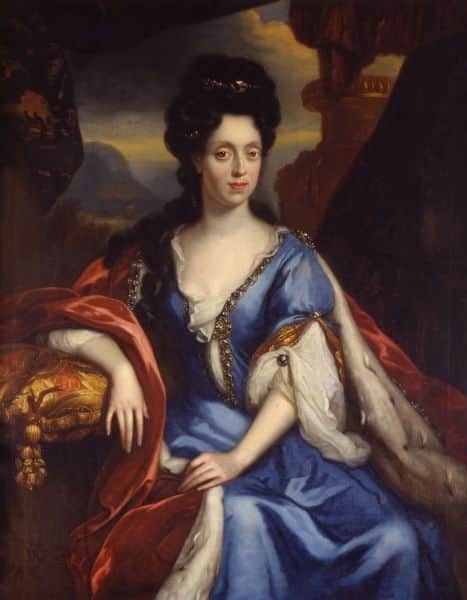
Because of the last true Medici: Anna Maria Luisa de' Medici.

Before she died in 1743, she signed the most important legal document in the history of art: the Family Pact (Patto di Famiglia). In this will, she left the entire, staggering art collection of the Medici to the state of Tuscany under one strict, unbreakable condition:

Nothing could ever leave Florence. It must remain in the city to educate the public and attract strangers.

It was the ultimate mic drop. Anna Maria Luisa ensured that even though her family was dead, their name would live forever through the beauty they financed.


Is there any Medici descendant still alive today ? Yes, though not from the main dynasty who ended with Anna Maria Luisa. There is still a cadet dynasty line, last heir being Prince Ottaviano de’ Medici di Ottajano, living in Florence, President of the “International Medici Association” and very engaged in preserving and promoting his family art heritage and the Florentine environment with “Save Florence” initiative he founded in 2010.

The Medici were not saints. They were corrupt, violent, greedy, and power-hungry. But they had one saving grace: they believed that beauty was worth paying for. And centuries later, we are still enjoying the dividend of their investment.

©2026 The Florence Royal Suite All rights reserved - Powered byLodgify