Logo

Welcome to The Florence Royal Suite Collection

Your Luxury Cozy Nest In The Very Heart Of Renaissance

The Florence Royal Suite

Ponte Vecchio: Why All Jewelers Have Shops Here

Many visitors reach the center of Florence and stop on one bridge longer than anywhere else. They look at the windows, the gold displays, and the small historic shops built directly over the river. The bridge holds a unique feature. Every shop sells jewellery or gold.

Travelers often ask one question. Why do all jewellers gather on this bridge?

The answer involves politics, urban planning, and centuries of Florentine craftsmanship. A decision made in the 1500s changed the identity of the bridge forever. To properly answer the questions requires a bit of history of the bridge, the role of the Medici family, and the rise of Florentine goldsmiths.

What Ponte Vecchio Is

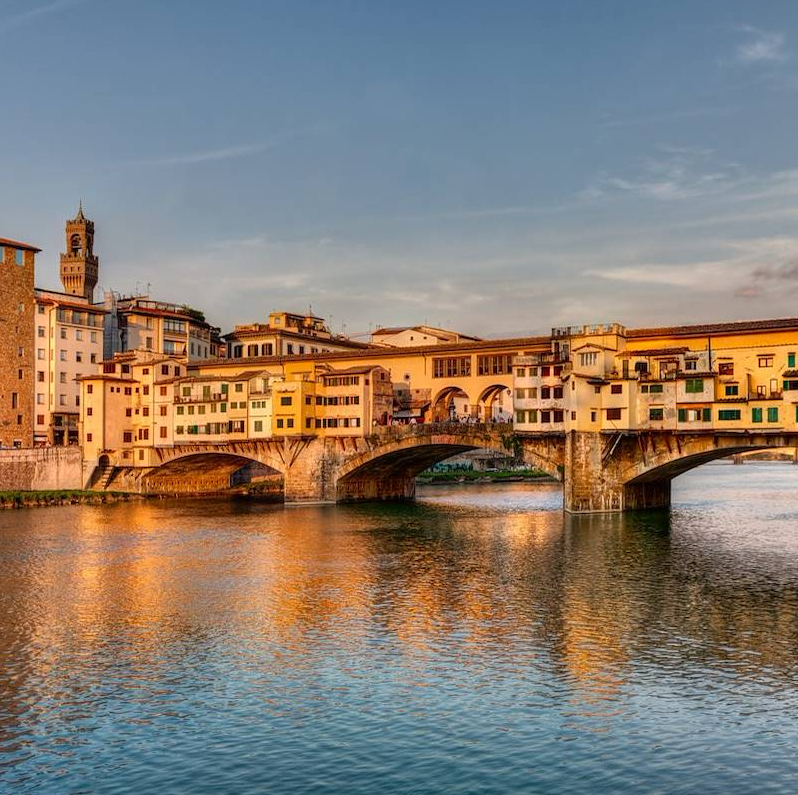
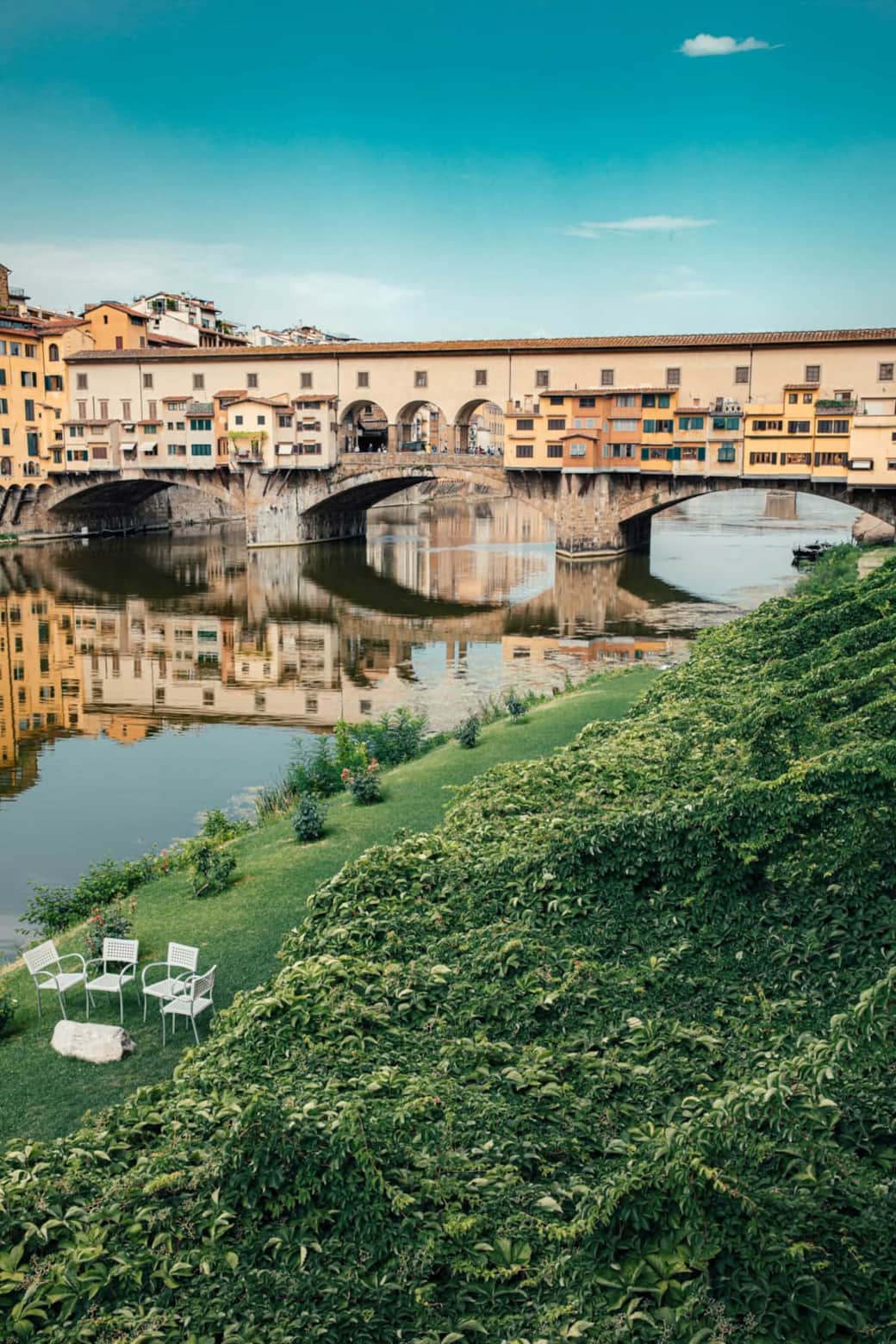
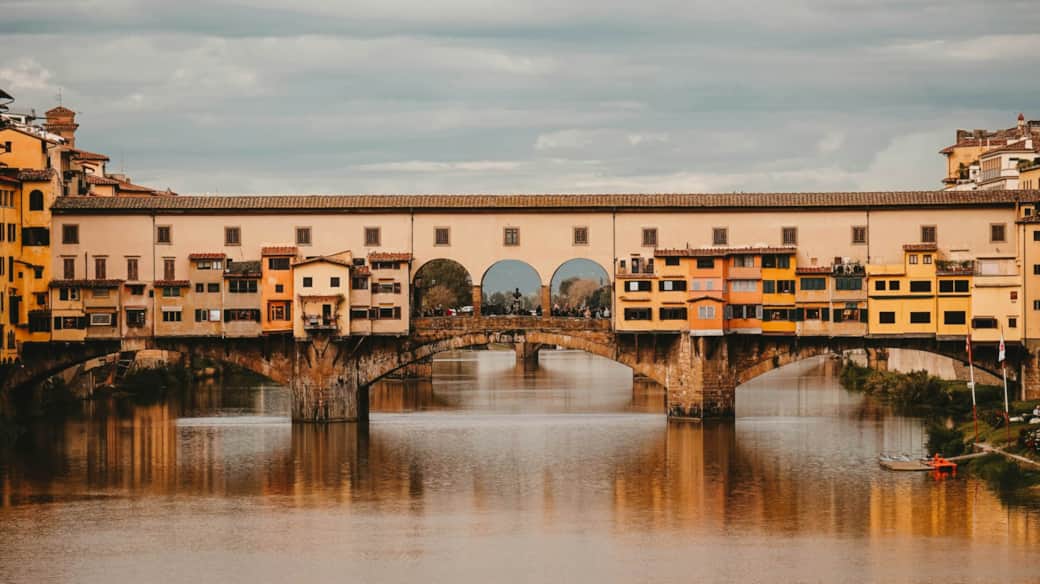
Ponte Vecchio stands as the oldest bridge in Florence. Construction finished in 1345. The bridge crosses the Arno River and connects two important districts of the city. Three stone arches support the structure. Buildings sit directly on top of the bridge. Small shops line both sides of the walkway. This design makes the bridge different from most European bridges.

Visitors walking across the structure pass through a narrow corridor formed by the shops. Windows display gold rings, necklaces, watches, and bracelets. Thousands of tourists cross the bridge every day. The location sits between major attractions and offers views of the river. Many travellers stop in the center of the bridge to take photos of the Arno and the surrounding historic buildings.

The Bridge Before Jewellery Shops

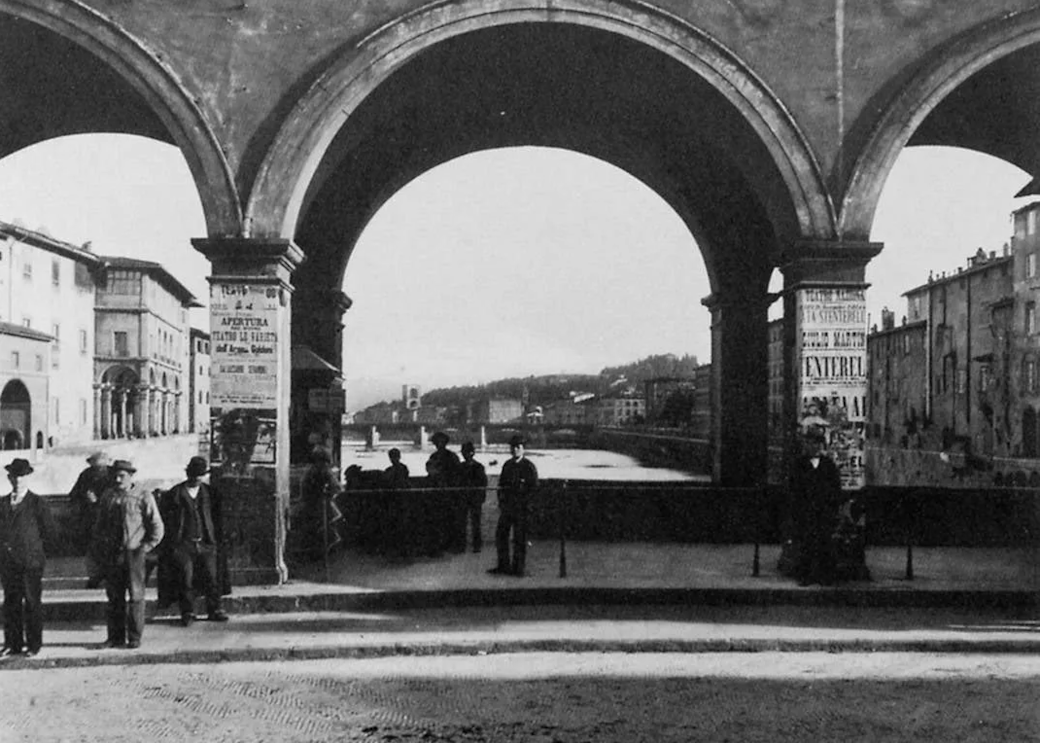
The shops on the bridge did not sell jewellery at first. During the Middle Ages, merchants sold food and raw materials in this location. Butchers operated many of the stalls. Fish sellers and leather workers also worked here. The bridge served as a practical marketplace.

Vendors used the river below to dispose of waste. Scraps from meat and fish often fell directly into the Arno River. This practice created strong odours in the surrounding area. Residents complained often. The market also produced noise and congestion. Workers transported animals, meat, and supplies across the bridge. By the 1500s the bridge had a reputation as a messy and unpleasant commercial area.

Why Jewellers Replaced the Butchers

The decision served several purposes. First objective was to remove unpleasant smells and waste from the area, second objective was to improve the appearance of the bridge. And third objective was to promote luxury craftsmanship linked to Florence.Goldsmiths already held strong status in Florentine society. Their work involved precious metals and artistic skill. The government saw an opportunity. Concentrating jewelers in one location would create a prestigious commercial district.

Visitors entering the bridge would see displays of gold instead of butcher stalls. Over time the bridge became associated with jewelry production and luxury goods. This policy remained in place for centuries.

The Medici Family Changes the Bridge

A major change arrived during the rule of Cosimo I de' Medici. The Medici family controlled Florence during the Renaissance. Their government invested heavily in architecture and infrastructure across the city. In 1565 Cosimo ordered construction of a private elevated corridor connecting the government palace to the Medici residence.

Architect Giorgio Vasari designed the project. The passage became known as the
Vasari Corridor. The corridor connects Palazzo Vecchio to Palazzo Pitti. The route crosses directly above the shops on Ponte Vecchio.

The Medici ruler refused to walk above butcher stalls and food waste. Cosimo issued a strict order. Butchers, fish sellers, and other food vendors had to leave the bridge. Goldsmiths and jewellers received permission to open shops instead. This rule transformed the identity of the bridge.

The Tradition of Florentine Goldsmiths

Florence built strong recognition for gold craftsmanship during the Renaissance. The city hosted powerful artisan guilds. One of the most respected organizations involved goldsmiths. Young craftsmen trained for years before opening their own workshops. Training involved several steps. Apprentices learned metalworking techniques. They studied engraving, casting, and polishing. They practiced detailed decorative work. Many Renaissance artists started their careers as goldsmiths. One famous example involves
Benvenuto Cellini.

Cellini gained fame for intricate gold objects and sculptures. His work demonstrated the artistic level reached by Florentine metalworkers. The reputation of these craftsmen spread across Europe. Wealthy families commissioned jewellery and ceremonial objects from Florence. Placing goldsmith shops on the bridge reinforced this tradition.

The Architecture of Ponte Vecchio

The physical structure of Ponte Vecchio also contributes to the presence of shops. The bridge includes three wide arches made from stone. Buildings extend outward from the sides of the bridge. Wooden supports hold the extra space above the river. This design allowed merchants to create small rooms facing the walkway. Over time the shops expanded slightly beyond the bridge walls. Wooden structures now hang above the water. Many buildings include shutters that close during the night. During the day vendors open large display windows facing pedestrians. These architectural features create a narrow market street across the bridge. The layout encourages visitors to stop and examine shop windows.

Ponte Vecchio During World War II

The bridge survived a major historical event. During World War II many bridges across Europe faced destruction. German forces retreated from Florence in 1944. Most bridges over the Arno River were destroyed. Only Ponte Vecchio remained standing. Historical accounts suggest the bridge survived because of an order from Adolf Hitler.

Instead of destroying the bridge itself, soldiers demolished buildings near the bridge entrances to block passage. The structure remained intact. After the war Florence restored the surrounding streets and shops. Jewellery businesses returned and continued operating as before.

What You See When You Walk Across the Bridge

Visitors walking across Ponte Vecchio encounter rows of jewelry shops. Most stores specialize in gold products. Common items displayed include:

• gold rings
• necklaces
• bracelets
• watches
• gemstones
• wedding bands

Display windows feature bright lighting to highlight the gold. Some stores belong to families who operated shops on the bridge for generations. Many businesses combine retail with small workshops. Craftsmen produce custom pieces for clients who want personalized jewellery.

Jewellery Prices on Ponte Vecchio

Prices on the bridge often exceed prices in other parts of Florence. Several factors explain this difference. First factor: The location attracts millions of tourists each year. Second factor: shops pay high rent due to the historic location. Third factor: many pieces use high quality materials and skilled craftsmanship. Visitors who want lower prices often explore jewellery districts outside the bridge area. Shops near Piazza della Signoria or Via dei Calzaiuoli
sometimes offer alternative options. Still, the symbolic value of buying jewellery on Ponte Vecchio attracts many buyers.

The Bust of Benvenuto Cellini

The center of the bridge features a bronze statue dedicated to Benvenuto Cellini. The monument honors the tradition of Florentine goldsmiths. Visitors often gather around the statue for photos. Metal fences around the monument hold hundreds of small locks attached by couples. This tradition appeared in many European cities. Florence authorities later removed many locks to protect the structure. The statue still marks the symbolic center of the bridge.

Why the Bridge Attracts Tourists

Several factors draw visitors to Ponte Vecchio:

  • Historic architecture
  • The bridge dates back to the 1300s.
  • Unique shops
  • Few bridges in the world contain permanent buildings and jewelry stores.
  • River views
  • Visitors see the Arno River and surrounding historic buildings.
  • Central location
  • The bridge connects major attractions in the historic center.
  • Many travelers cross the bridge several times during their stay in Florence.

Nearby Attractions

The location of Ponte Vecchio places visitors close to important landmarks. Nearby attractions include:

• Palazzo Pitti
• Palazzo Vecchio
• Piazza della Signoria
• Uffizi Gallery

Many walking routes through Florence pass across the bridge. Tour guides often explain the history of the shops and the Medici rule while standing on the bridge.

Why Jewelers Still Operate Here Today

The rule established by Cosimo I de' Medici never disappeared. Florence preserved the identity of the bridge as a jewelry district. Goldsmith businesses continue renting these historic spaces. The concentration of jewelry stores turned the bridge into a symbol of Florentine craftsmanship. Visitors now associate Ponte Vecchio with gold and luxury goods. This reputation attracts new generations of tourists every year. The bridge no longer smells like butcher stalls or fish markets. Instead, display windows filled with gold define the identity of one of the most famous bridges in the world.

©2026 The Florence Royal Suite All rights reserved - Powered byLodgify